
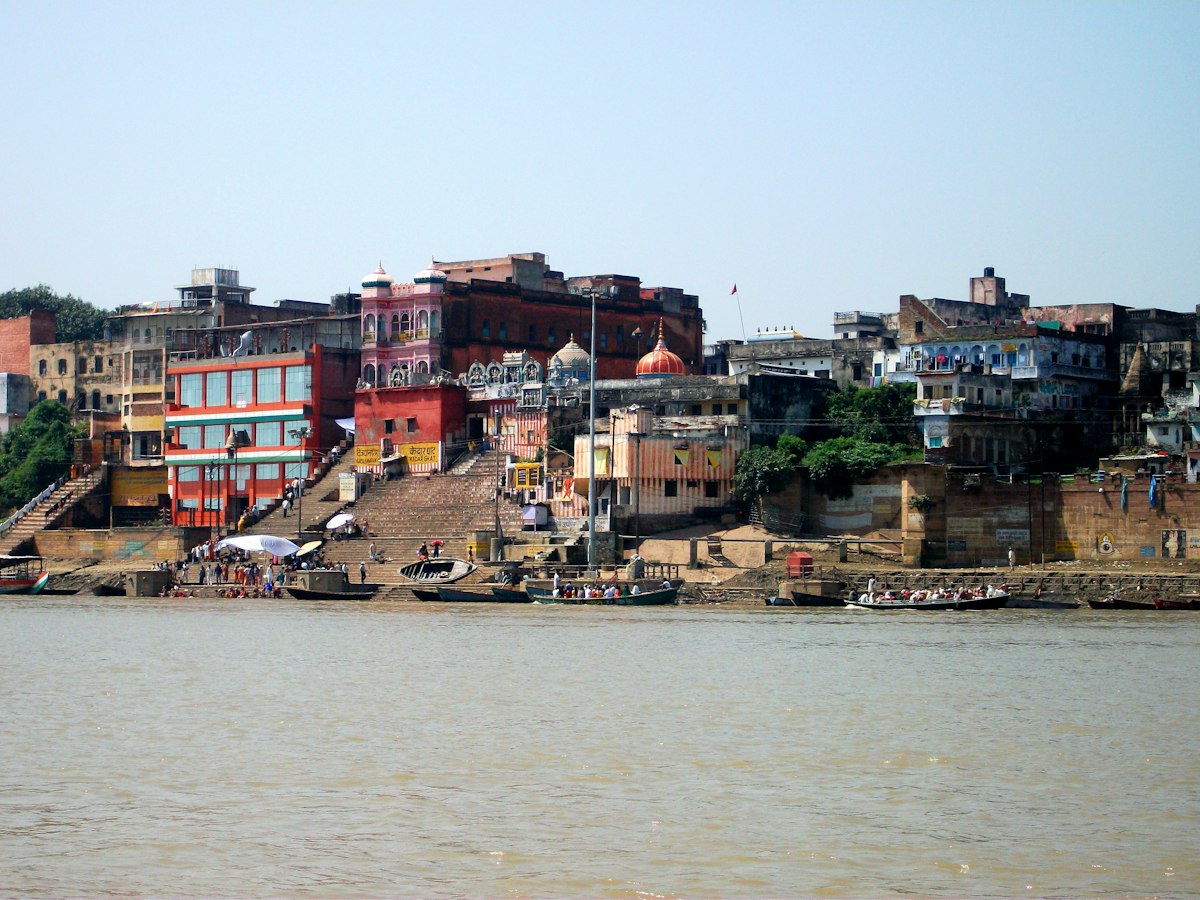
Varanasi is not an easy city to explain to someone who has never been there. You can talk about the ghats, the temples, and the Ganga Aarti, but none of that really prepares a first-time visitor for what the city actually feels like once they arrive. The narrow lanes, the sound of temple bells mixing with boatmen calling out fares, the smell of incense drifting through the air, all of it comes together in a way that is hard to picture until you are standing in the middle of it.
If you are planning your first trip here, a little preparation goes a long way. This guide covers the basics every first-time traveler should know before stepping into one of India's oldest living cities.
Why Varanasi Should Be on Your List
Varanasi, also called Kashi or Banaras, is considered one of the oldest continuously inhabited cities in the world. For centuries, it has been a center of spiritual life along the Ganga, and that energy is still very much alive today. It is not only a religious destination anymore. Photographers come for the light on the ghats at sunrise. Food lovers come for the street snacks. Families come simply to slow down and experience something different from the usual holiday.
Whatever brings you here, the city tends to leave a mark that lasts well after the trip is over.
Getting There
Reaching Varanasi is fairly simple these days, with good flight, train, and road connections from most major Indian cities. Lal Bahadur Shastri International Airport connects Varanasi to Delhi, Mumbai, Kolkata, and several other cities, and Varanasi Junction is one of the busiest railway stations in the country, making trains a popular option too. If you are still working out the best way to get there based on where you are traveling from, it helps to go through a proper breakdown of how to reach Varanasi before booking your tickets, since the right option often depends on your starting city and budget.
When to Visit
Timing matters a lot in Varanasi. Winter, from October to February, is the most popular season, with cool weather that makes early morning boat rides and evening aartis genuinely enjoyable. Summers get quite hot, and the monsoon can bring sudden rain that disrupts outdoor plans. Since the experience of the city changes quite a bit depending on the season, it is worth checking the best time to visit Varanasi before you finalize your travel dates.
What to Actually Do Once You Are There
A few experiences come up again and again in every conversation about Varanasi, and for good reason.
- Watch the Ganga Aarti at Dashashwamedh Ghat in the evening, when priests perform a synchronized ceremony with fire and chanting in front of a large crowd.
- Take a sunrise boat ride on the Ganga, widely considered the best way to see the ghats come alive with morning prayers.
- Visit Kashi Vishwanath Temple, one of the twelve Jyotirlingas and the spiritual heart of the city.
- Walk through the old city lanes, where flower sellers, sweet shops, and silk weaving workshops sit side by side.
- Take a short trip to Sarnath, one of the most important Buddhist pilgrimage sites, marking the place of Buddha's first sermon.
Not everything runs on a fixed schedule that suits every traveler, so keeping some flexibility in your plan helps a lot, especially on your first visit.
How Long to Stay
Two to three days is generally enough to cover the main ghats, temples, and Sarnath without rushing. If you want to add a side trip to Ayodhya or Prayagraj, four to five days gives you enough breathing room. For travelers who are still deciding what to book, it is worth looking at a few Varanasi travel packages that lay out day-wise plans, since having a structured itinerary makes a big difference in a city where the lanes are narrow and the timing of rituals matters.
A Few Practical Tips for First-Timers
Comfortable walking shoes are a must, since many of the old city lanes are not vehicle-friendly. Mornings tend to be the best time for boat rides and quieter ghat visits, while evenings are best kept for the Ganga Aarti. It also helps to carry small cash for local vendors and rickshaws, as not every stall accepts digital payments.
Conclusion
Varanasi rewards travelers who take the time to plan a little before they arrive. Once you know how to get there, when to go, and what to prioritize once you land, the rest of the trip tends to fall into place on its own. And somewhere between the sunrise boat ride and the evening aarti, most first-time visitors find themselves already thinking about when they will come back.



No comments:
Post a Comment