Thursday, September 3, 2026

Where to Stay in Varanasi: A Neighborhood Guide for First-Time Visitors

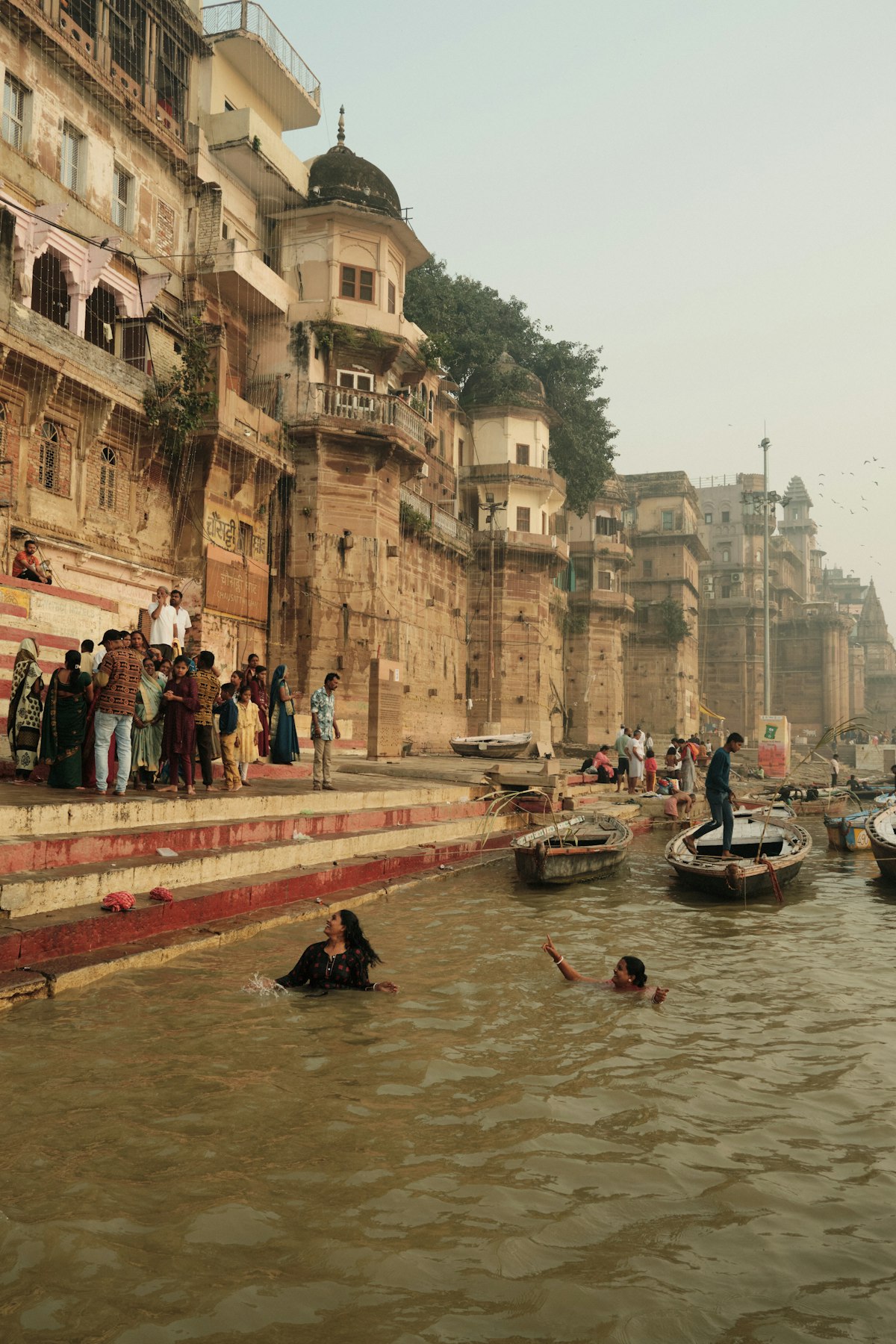
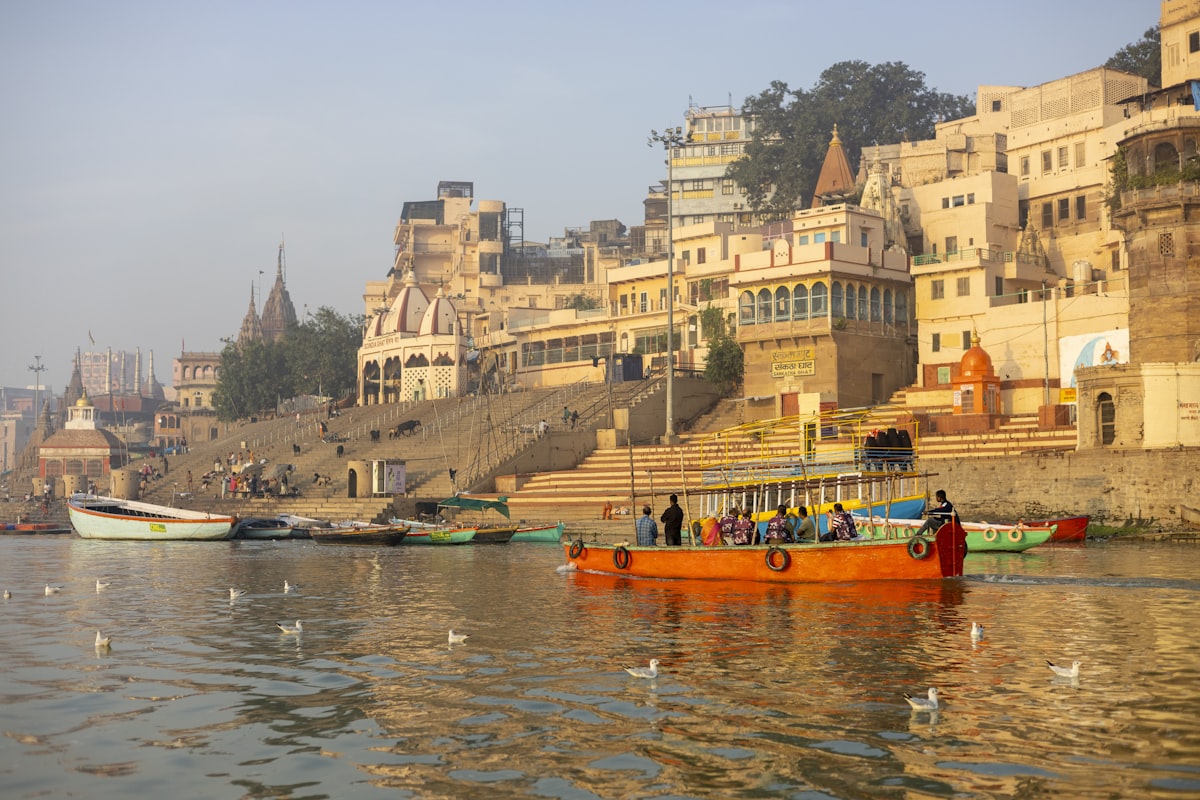
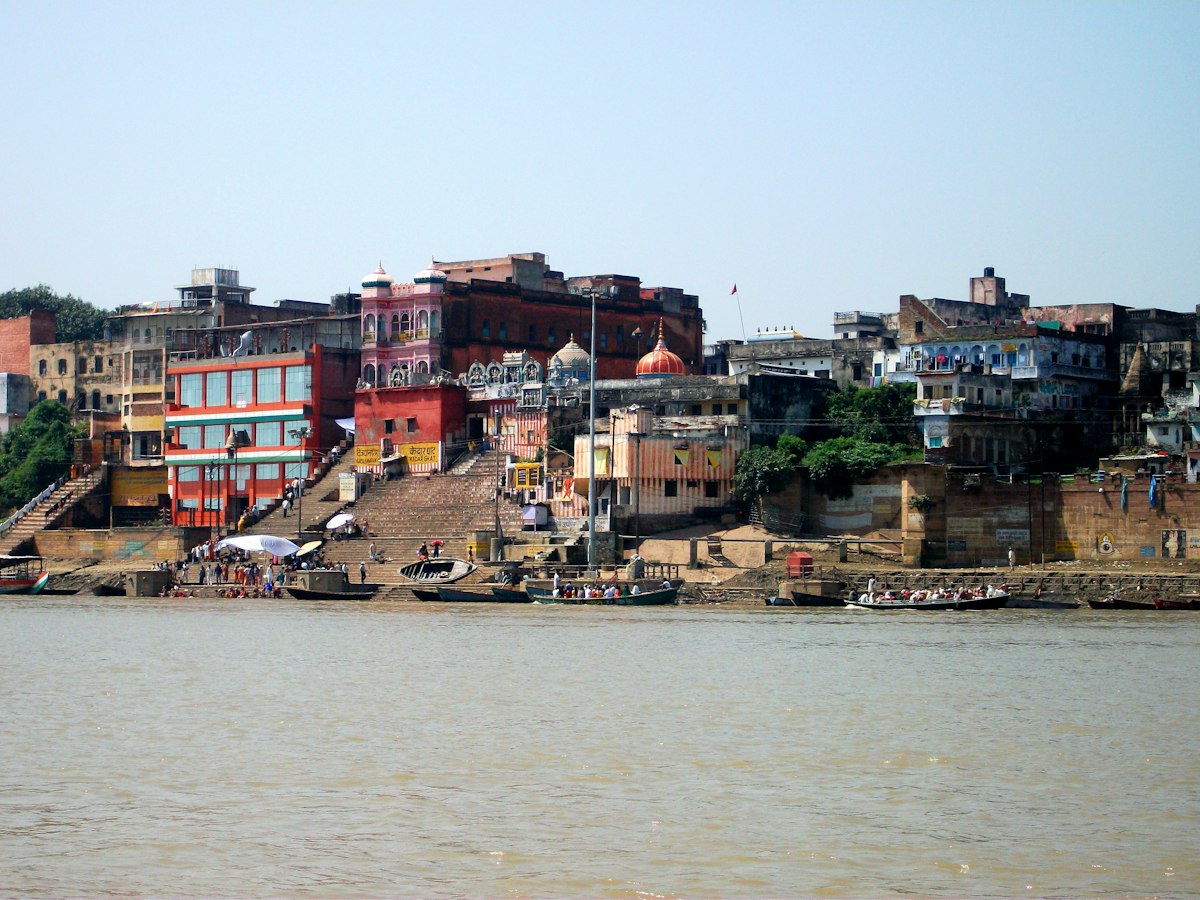
Riverside guesthouses and old buildings lining a Varanasi ghat, seen from a boat on the Ganges

Where you sleep in Varanasi shapes the trip more than almost any other decision you'll make before you land. This is a city where a fifteen-minute difference in walking distance to the ghats can mean the difference between strolling out for sunrise in your pyjamas, more or less, or negotiating an auto through streets that haven't fully woken up yet.

There's no single "best" area, though — it depends on how much old-city chaos you actually want. Here's how the main options break down.

The Real Trade-Off: Walk or Ride

Almost everything a first-time visitor wants to see is strung along the riverfront or tucked into the lanes just behind it. Stay inside that zone and you can walk to most things, including the early-morning stuff that's hard to enjoy after a rickshaw ride through waking-up traffic. Stay outside it, in the newer parts of the city, and you'll save a bit on your room but spend more time and small daily fares getting to and from the ghats.

Neither choice is wrong, but it's worth deciding on purpose rather than by accident. If most of your plans look like the ones in our three-day Varanasi itinerary, with sunrise boat rides and evening aartis on back-to-back days, proximity to the river matters more than it might for a slower, more flexible trip.

Godowlia and the Temple Lanes

This is the most central option, and the closest you can get to Kashi Vishwanath Temple itself. If your priority is stepping out of your guesthouse and being at the temple gates in minutes, or wandering the markets and shrine-filled alleys without planning a route, this is the area built for that.

The trade-off is the lanes themselves. They're extremely narrow, genuinely disorienting on a first pass, and busy at almost every hour — not a problem once you've found your bearings, but a real adjustment if you're arriving with a large suitcase or aren't used to dense, maze-like streets. It suits pilgrims and travelers who've done a bit of independent travel before and don't mind a slightly chaotic first evening while they get oriented.

Lahori Tola

A short distance from Godowlia, Lahori Tola offers a similar temple-proximity advantage with a slightly more residential, lived-in feel. It sits within walking distance of the Kashi Vishwanath Dham corridor, which means you can time your darshan visits flexibly instead of building your whole morning around getting there.

You're still navigating old-city lane constraints here, so it's not a meaningfully easier stay than Godowlia in terms of navigation — just a touch quieter once you're off the main thoroughfares. It works well for pilgrims who want temple access above everything else and are comfortable with narrow streets in exchange for it.
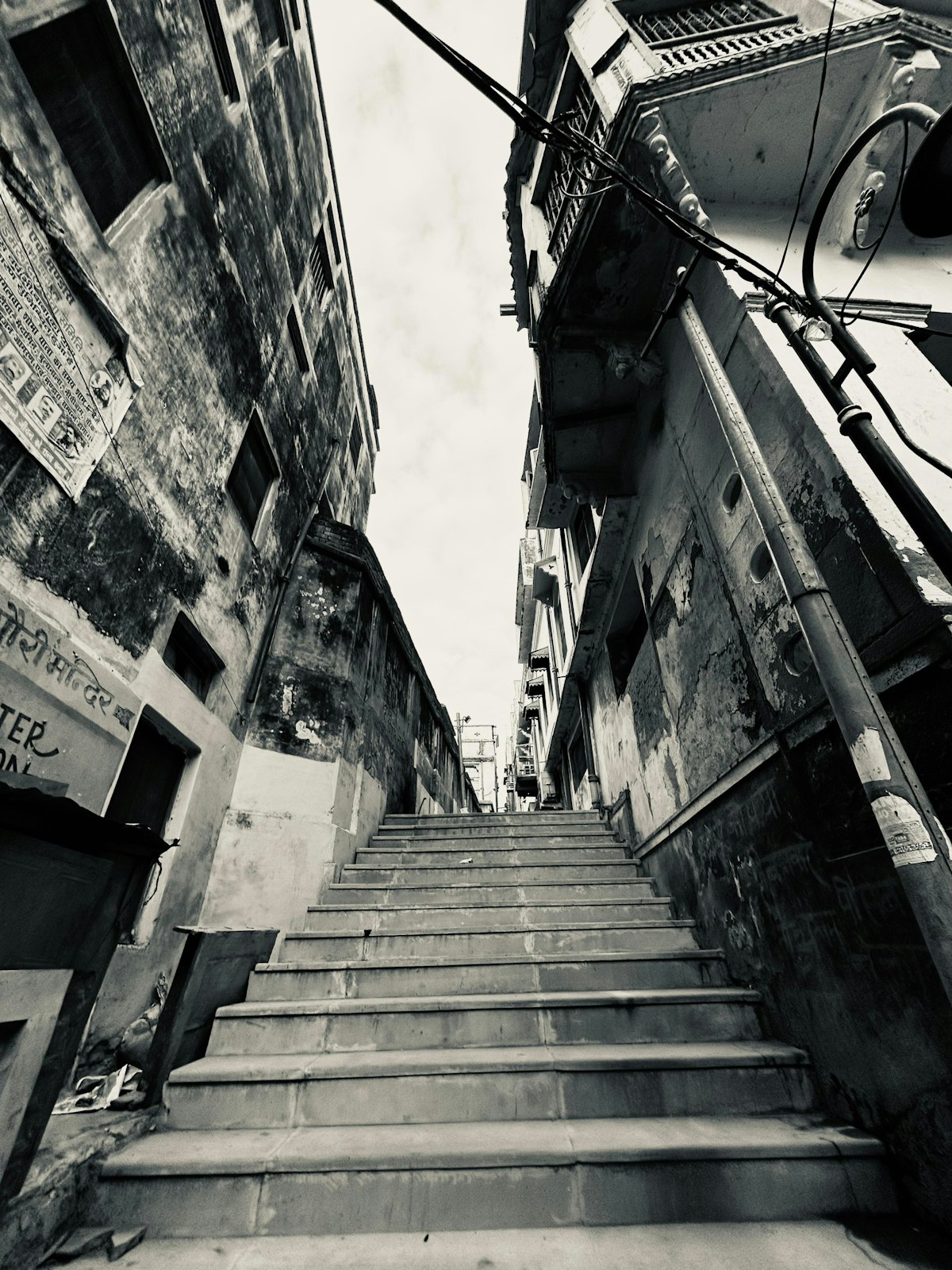
A narrow stone alleyway with steps winding between old buildings in Varanasi's old city

Assi Ghat and Bhelupur

Assi Ghat sits at the calmer, southern end of the riverfront, and the neighborhood around it has a noticeably different pace than the old city further north. Expect cafes, a visible student population thanks to nearby Banaras Hindu University, wider streets, and a version of Varanasi that's easier to settle into on your first night.

The catch is distance: Kashi Vishwanath is roughly a twenty-minute auto ride away, so this isn't the neighborhood for spontaneous temple visits. What you gain is generally better value for money, since rooms here tend to run cheaper than equivalent options nearer the main ghats, along with pleasant riverside walks that don't come with the crowds of Dashashwamedh. It's a strong fit for solo travelers, anyone prioritizing a bit of calm, or visitors who'd rather explore Varanasi's quieter corners than stay in the thick of the main tourist circuit.

Cantonment, If You Want an Easier Arrival

The Cantonment area, closer to the railway station and airport road, is the practical choice rather than the atmospheric one. Roads are wider, cars can actually reach your hotel, and the larger properties here come with amenities — reliable elevators, proper parking, restaurants on site — that the old city generally can't offer.

It's five-plus kilometers from the ghats, though, and doesn't have much of the old-city character that draws people to Varanasi in the first place. This area makes the most sense for families, business travelers, anyone arriving very late or leaving very early, or travelers who'd rather not manage a wheeled suitcase through cobbled lanes at all.

What You'll Actually Pay

Prices vary a lot by season and by how close you are to the water, but as a rough guide: budget guesthouses run about ₹500–1,500 a night, standard mid-range rooms fall around ₹1,500–4,000, and premium heritage or riverside properties start near ₹4,000 and climb well past ₹15,000 at the top end. Rooms with a direct ghat view typically cost two to three times more than an equivalent room without one, especially during the busier winter months, so it's worth asking whether a "river-facing" room actually means a view or just a room on the river-facing side of the building.

Which One Fits You

If this is your first trip and you haven't settled on a rough plan yet, it's worth reading our guide to planning your first trip to Varanasi before booking anything, since your itinerary shape should really drive where you stay rather than the other way around. As a starting point: pick Godowlia or Lahori Tola if temple access matters most and you've traveled independently before, choose Assi Ghat if you want a calmer base with good value, and go with Cantonment if comfort and easy transport outweigh atmosphere. Whichever you choose, book a room within walking distance of the river if you can manage it — mornings here are worth waking up for, and a short walk beats a rickshaw ride every time. If your plans include an early temple visit, our Kashi Vishwanath darshan guide covers timings and what to expect once you get there.

Final Thoughts

There's no wrong neighborhood in Varanasi, only a mismatch between where you sleep and what you actually plan to do each day. Match the two, and the logistics of the trip mostly take care of themselves, leaving you to focus on the parts that brought you here.

Image credits: Photo by Vizag Explore and Photo by Nikhil Mudliar, both on Unsplash.

Kashi Vishwanath Temple Guide: Darshan Timings, Rules, and What to Expect

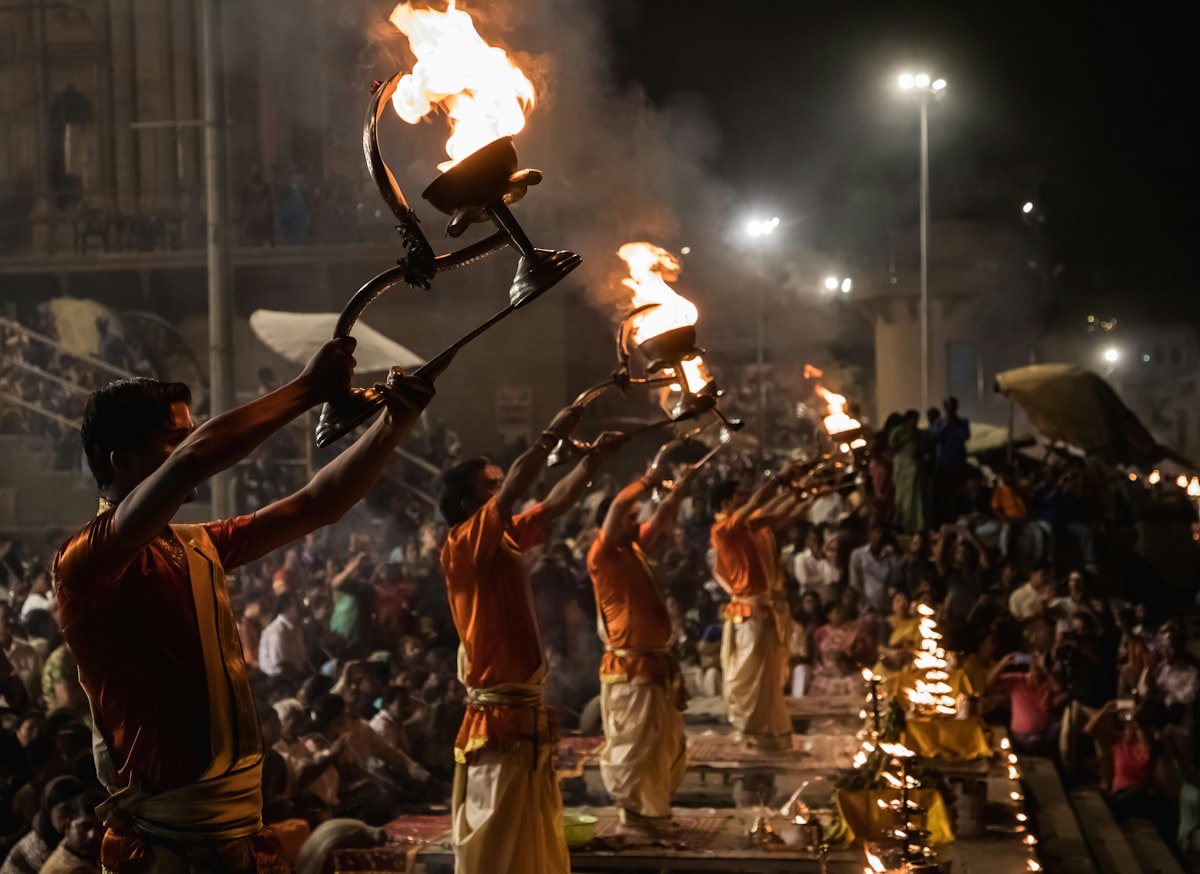
Priests holding raised flame lamps during an evening aarti ceremony on a Varanasi ghat

Kashi Vishwanath is the temple most people picture when they think of Varanasi, and it's also the one first-time visitors get the most confused about. There's the free general darshan, a paid Sugam line, five different aartis with five different prices, and a security process that trips up anyone who didn't know phones aren't allowed inside. None of it is complicated once you've done it, but almost no one gets it right on the first try.

Here's what actually happens when you visit, what it costs, and what to leave at your guesthouse before you go.

General Darshan vs. Sugam Darshan: What's the Difference

The temple is open from 4:00 AM to 11:00 PM, and walking in for a standard darshan costs nothing. That's the good news. The less good news is that the free queue can run two to four hours on weekends and Mondays, which is when the temple gets busiest with local devotees as well as tourists.

Sugam Darshan is the paid fast-track option, priced at ₹300 per person and available from 5:00 AM. It moves you into a separate, much shorter line. You can book it online in advance or arrange it on the spot at the counter, though booking ahead removes one more thing to sort out on a morning when you're also trying to catch sunrise at the ghats. Whichever way you book, carry ID that matches the name on the booking exactly — Aadhaar, PAN, or passport all work, but a mismatch at the gate can mean starting over.

If your schedule is tight, Sugam is worth the ₹300. If you've built in a slower morning, standing in the free line isn't a bad way to spend an hour, since you'll be surrounded by people who've traveled a long way for this same fifteen minutes inside.

The Aarti Ceremonies, and Why There Are So Many

This is where most visitors get confused, because Kashi Vishwanath runs its own set of temple aartis that are separate from the more famous Ganga Aarti held every evening at Dashashwamedh Ghat. They're related in spirit but not the same event, and they're not interchangeable if you're set on seeing a specific one.

The temple's daily aarti schedule looks roughly like this:

  • Mangla Aarti — 3:00–4:00 AM, ₹500, and the only one that requires booking up to 30 days in advance. This is the pre-dawn ceremony that opens the temple for the day.
  • Bhog Aarti — 11:30 AM–12:00 PM, ₹180, booking recommended rather than mandatory.
  • Sandhya Aarti — 7:00–8:15 PM, ₹180, the evening ceremony most visitors end up choosing since it fits naturally after a day of sightseeing.
  • Shringar Aarti — 9:00–10:15 PM, ₹180.
  • Shayan Aarti — 10:30–11:00 PM, ₹180, the closing ceremony that puts the deity to rest for the night.

You don't need to attend any of these to visit the temple. General and Sugam darshan both let you see the sanctum without booking a specific aarti slot. But if the idea of watching a ceremony rather than just passing through appeals to you, Sandhya Aarti in the early evening tends to be the easiest one to fit into a normal day, and it pairs well with the ghat-side Ganga Aarti happening around the same time a short walk away.

Pilgrims gathered on the steps of a Varanasi ghat beside the Ganges

Dress Code and What You Can't Bring In

The temple expects modest, traditional dress. Kurtas, dhotis, sarees, and salwar kameez are all fine; shorts and sleeveless tops are not. Leather is the other rule people don't see coming — no leather belts, bags, wallets, or shoes are allowed past the entrance, which catches out a surprising number of visitors wearing an ordinary leather belt without thinking twice about it.

Mobile phones and cameras also stay outside. There's a cloakroom at the entry gate where you can deposit bags and phones before going through security, and a separate shoe rack for footwear. It's a straightforward system once you know it exists, but it means you should plan to arrive without your phone in hand for photos — the sanctum itself is a phone-free zone, and that's enforced.

Practically, this means traveling light on temple mornings. Leave the day bag, the camera, and anything leather at your guesthouse, and carry only your ID and enough cash for tickets or an offering.

Getting There and What the Morning Actually Looks Like

The temple sits in the maze of lanes near Vishwanath Gali, close enough to Dashashwamedh Ghat that most visitors combine the two. If you're staying near the ghats, it's a walk; if you're coming from further out, an auto will get you to the edge of the pedestrian zone, and you'll cover the last stretch on foot regardless, since vehicles can't follow you into the lanes.

Arrive earlier than you think you need to, especially for general darshan. The queue moves in switchbacks through a covered corridor, and while it's not uncomfortable, it is slow — this isn't a stop to squeeze in between two other plans. If you're combining it with a boat ride or an early walk through the ghats, our three-day Varanasi itinerary shows where the temple fits naturally into a longer morning without throwing off the rest of your day.

Security is airport-style: a metal detector, a pat-down, and a check that you're not carrying anything on the prohibited list. It moves faster than it sounds once you're used to having nothing but ID and cash in your pockets.

A Few Things Worth Knowing Before You Go

The temple gets genuinely crowded on Mondays, since the day is associated with Lord Shiva, and on weekends when domestic pilgrim numbers rise. If your dates are flexible, a weekday visit outside of festival periods is a noticeably calmer experience.

Kaal Bhairav Temple and Annapurna Temple both sit close to the main complex and are easy to add to the same outing if you have an hour to spare — neither requires the same booking process, and both are covered in more depth in our guide to hidden gems in Varanasi beyond the ghats and crowds.

And if this is your first trip to the city and the whole idea of navigating temple rules, boat timings, and old-city lanes feels like a lot at once, it's worth starting with our broader guide on planning your first trip to Varanasi before narrowing down to the temple specifics here.

Final Thoughts

Kashi Vishwanath rewards a bit of preparation more than almost any other stop in the city. Know which darshan you want, dress the part, leave your phone behind, and budget more time than feels necessary — do that much and the visit runs itself. Everything else, the queue, the security line, the walk through the lanes, is just part of arriving at a temple that's been receiving pilgrims for longer than most buildings anywhere have stood.

Image credits: Photo by Raju kumar and Photo by Austin Curtis, both on Unsplash.

Wednesday, September 2, 2026

Varanasi Street Food Guide: What to Eat and Where

Street food vendor serving customers in a Varanasi market lane

Varanasi's temples and ghats get all the attention, but ask anyone who has actually spent a few days in the city and they'll tell you the food is just as memorable. This is a city that eats on the street, standing at a counter or perched on a wooden bench, and most of its best dishes never make it onto a restaurant menu at all.

Here's what to look for, where locals actually go, and a few things worth knowing before you start eating your way through the old city.

Why Varanasi's Food Scene Feels Different

A lot of Varanasi's street food has stayed the same for generations, made by the same families at the same corners, often with a queue of regulars rather than tourists. Prices are low, portions are generous, and the best stalls are usually the ones with no signboard at all — just a name people already know.

None of it requires a reservation or a plan. You mostly just need to know what to order and roughly where to stand. Most stalls specialise in one or two dishes rather than a whole menu, which is part of why the food tastes as good as it does — the person frying your kachori has likely been doing exactly that, and nothing else, for years.

Kachori Sabzi, the Breakfast Varanasi Runs On

Kachori sabzi is the closest thing Varanasi has to a signature breakfast: crisp, deep-fried pastries stuffed with spiced lentils, served with a potato curry on the side. It's heavy, satisfying, and usually gone by mid-morning once the day's batch runs out.

Thatheri Bazaar and the lanes around Vishwanath Gali are reliable spots to find it fresh, typically for somewhere around ₹20–40 a plate. Go early. The best stalls sell out fast, and what's left by noon is rarely as good as the first batch of the morning.

Banarasi Lassi, Thick Enough to Eat With a Spoon

Skip anything you'd recognise as a normal lassi. The Banarasi version is dense, yogurt-based, and usually topped with a thick layer of malai (clotted cream), served in a clay cup called a kulhad that adds its own faint earthy flavour.

The Godaulia area has several well-known counters, and one shop near Vishwanath Gali has reportedly been serving it since 1925. Expect to pay around ₹30–60 depending on the toppings, and expect to need a spoon rather than a straw.

Tamatar Chaat, the Tangy Snack Locals Love

Tamatar chaat is a Varanasi specialty that rarely shows up outside the city: a spicy-sweet mash of stewed tomatoes, boiled potatoes, and spices, finished with a drizzle of ghee and crunchy sev on top. It's sold from small carts and eaten standing up, usually in a few minutes flat.

Deena Chaat Bhandar on Dashashwamedh Road is one of the better-known names for it, priced around ₹30–50 a plate. If you only try one unfamiliar dish on this list, this is a reasonable one to pick.

Seasonal Specials: Malaiyo and Choora Matar

Two dishes only show up in the cooler months, and it's worth timing a visit around them if you can. Malaiyo is a frothy, saffron-scented milk foam, whipped outdoors before dawn using the morning dew, and it's typically available from October through February. Choora matar — flattened rice cooked with green peas, spices, and ghee — runs a little longer, from around October to March.

Both are sold by general street vendors rather than fixed shops, so you'll mostly spot them by the small crowds gathered around a cart in the evening. If your dates line up, checking a best time to visit Varanasi guide before you book can help you catch both dishes in season rather than missing them by a few weeks.

Baati Chokha, a Heartier Plate

For something more like a full meal than a snack, baati chokha is worth seeking out: firm wheat dough balls, traditionally roasted over coals, served with a smoky mash of spiced vegetables and a generous spoon of ghee. It's rustic, filling, and a good option if you want a sit-down plate rather than another round of street snacks. Expect to pay somewhere between ₹60 and ₹120 depending on where you order it.

It's originally a Bihari dish rather than a strictly Banarasi one, but it has been adopted into Varanasi's food scene so thoroughly that most small eateries near the old city serve their own version, usually at lunchtime rather than as a snack.

Paan, the Proper Way to End a Varanasi Meal

Varanasi takes paan seriously enough that "Banarasi paan" is its own recognised style: a betel leaf folded around areca nut, lime paste, and often a sweet filling like gulkand or grated coconut, sometimes finished with a touch of edible silver. It's cheap, usually ₹10–30, and functions as the city's answer to an after-dinner mint, just with a lot more character.

Jalebi and Rabri, the City's Favourite Sweets

No food walk through Varanasi is complete without stopping for something sweet, and jalebi is the obvious place to start: coils of fermented batter, deep-fried until crisp, then soaked in sugar syrup while still hot. The best versions are made fresh in wide, shallow pans right at the shop front, so you can watch each batch go from batter to plate in a few minutes.

Pair it with rabri, a thick, slow-reduced sweetened milk, and you have one of the more indulgent combinations the city has to offer. Both are widely available across the old city's sweet shops, typically for ₹20–40 for a modest portion, and neither needs advance planning — just a sweet tooth and a working stomach after a morning of savoury snacks.

A Few Rules for Eating Safely on the Street

Street food in Varanasi is generally safe if you're a little selective about where you eat, and the same habits that keep you well elsewhere apply here too. Look for stalls with a steady queue of locals rather than empty ones, choose food that's cooked fresh in front of you instead of sitting out, and stick to bottled or properly filtered water, including for anything blended like a lassi.

These are the same kinds of small, avoidable slip-ups covered in our guide to common travel mistakes to avoid in Varanasi, and the food section there is worth a quick read before your trip if you tend to be cautious about eating on the street.

It also helps to pace yourself on your first day. Trying five different dishes within a couple of hours is a common way to end up too full to enjoy any of them, and it makes it harder to tell which specific stall, if any, didn't agree with you.

A Simple Food Walk Route

If you'd rather explore with some structure than wander at random, a rough route works well on foot, starting late morning once the breakfast rush has settled:

  • Start at Thatheri Bazaar for kachori sabzi
  • Walk toward Vishwanath Gali for lassi and a look at the lane's sweet shops
  • Continue to Dashashwamedh Road for tamatar chaat at Deena Chaat Bhandar
  • Finish near Godaulia with paan from a well-known stall to close out the walk

The whole loop takes roughly two to three hours at an unhurried pace, with plenty of stops to watch the lanes rather than just eat your way through them. Most of this route is walkable, but if you're combining it with stops further out, a quick look at a guide to getting around Varanasi will save you some back-and-forth with auto drivers.

Final Thoughts

Varanasi's food doesn't need a special trip or a booked table, just a bit of curiosity and a willingness to eat standing up. Follow the queues, ask what's fresh, and you'll end up with a far better sense of the city than any single monument could give you.

Image credit: Photo by devakanyya on Unsplash.

3 Days in Varanasi: A Simple Itinerary for First-Time Visitors

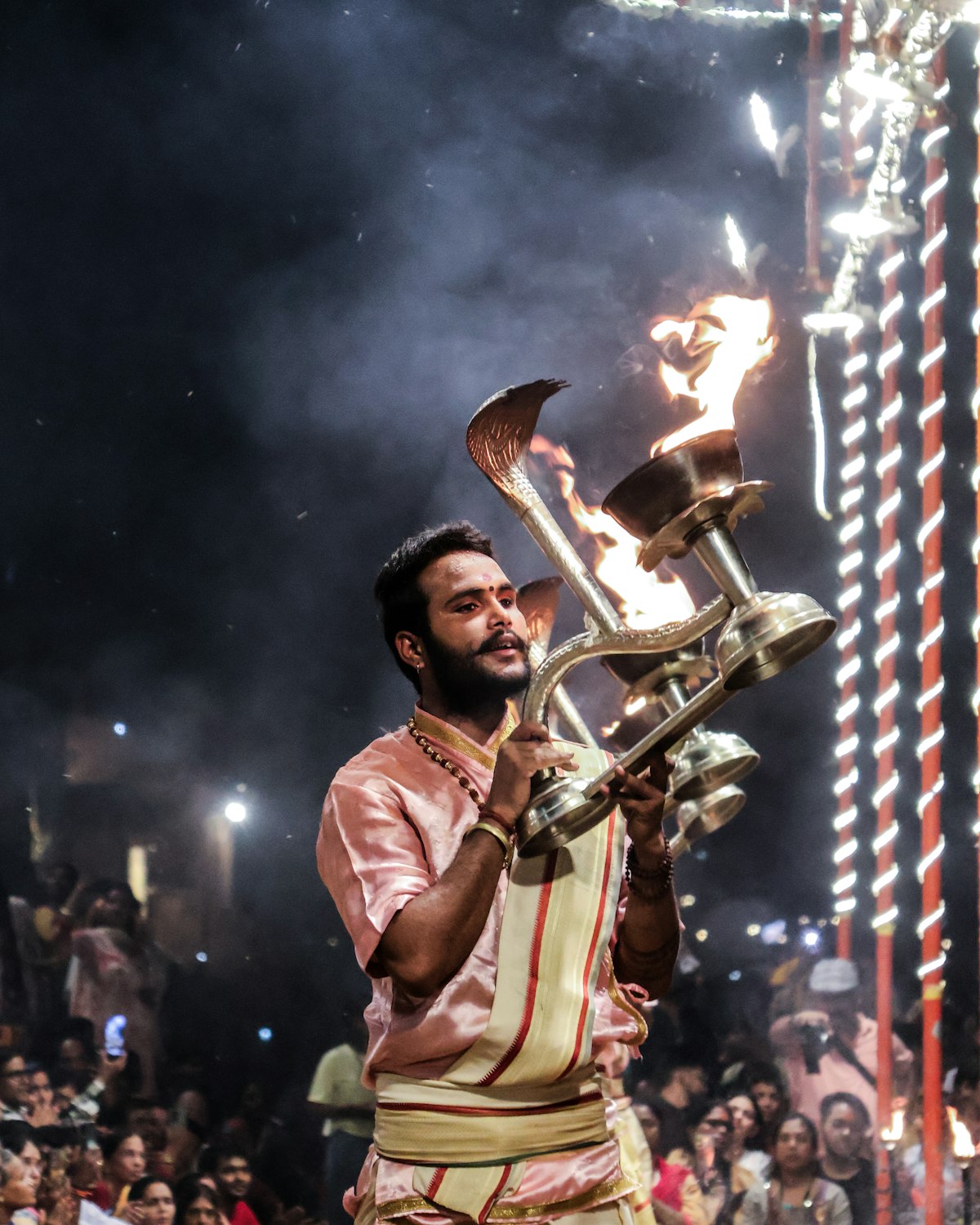
Priest performing the evening Ganga Aarti ceremony at a Varanasi ghat

Varanasi rewards time more than almost any other Indian city, but most first-time visitors only have a few days to give it. The good news is that three days is genuinely enough to see the essentials without rushing, as long as you have a rough plan going in rather than figuring it out ghat by ghat.

Here's a simple, realistic way to structure three days in the city, with room to slow down on the last one.

How Much Time Do You Actually Need?

Two days is enough to hit the highlights — the main ghats, one aarti, one temple. Three days lets you add Sarnath, a proper walk through the old city, and a slower final morning instead of a rushed checklist. Anything beyond that starts to depend more on personal interest than necessity, unless you're planning day trips to nearby Prayagraj or Ayodhya as well.

This is also roughly the point where diminishing returns set in for most travellers. A fourth or fifth day rarely adds a new must-see site so much as a slower, more repeated version of what you've already done, which isn't a bad thing if that's what you're after, but it's worth knowing going in.

This itinerary assumes three full days, arriving the evening before day one and leaving after day three. If your dates are flexible, it's worth checking a month-by-month guide to the best time to visit Varanasi, since summers here get punishingly hot and winter mornings can be foggy enough to delay a sunrise boat ride.

Day 1: Ghats, Kashi Vishwanath, and Your First Aarti

Start early. Varanasi's ghats are at their best in the first hour after sunrise, before the heat and the crowds arrive.

  • 5:30 AM — Sunrise boat ride along the ghats, roughly 60–75 minutes, ideally from Assi Ghat toward Manikarnika and back
  • 7:30 AM — Breakfast, then Kashi Vishwanath Temple once the morning rush has thinned slightly
  • 9:30 AM — Kaal Bhairav Temple and Annapurna Temple, both close to the main temple complex
  • 11:00 AM — Rest through the hottest part of the day, or explore nearby cafes
  • 5:00 PM — Arrive at Dashashwamedh Ghat at least 45 minutes before the evening Ganga Aarti to get a decent spot

For a closer look at which stretches of the riverfront are worth your time versus which ones you can walk past, our guide to the best ghats to visit in Varanasi covers each one in more depth than a single day allows.

Day 2: The Old City and Its Quieter Corners

Day two is about the lanes rather than any single monument. Varanasi's old city is a maze of narrow alleys, and getting a little lost in them is part of the experience.

  • 6:00 AM — A shorter second boat ride, or a quiet walk along Assi Ghat if you'd rather stay on land
  • 8:30 AM — Manikarnika Ghat, observed respectfully from a distance, followed by a walk through Vishwanath Gali
  • 10:30 AM — Continue through the old city's silk weaving lanes and smaller shrines, with no fixed route
  • 1:00 PM — Lunch near Godaulia
  • 3:00 PM — Ramnagar Fort across the river, if you have the afternoon free and want a change of pace from temples and ghats
  • 6:00 PM — A quieter evening at Assi Ghat, away from the main aarti crowd

Getting around between these stops is straightforward once you know the basics of local transport, but it helps to read a proper guide to getting around Varanasi before you land, since the old city's lanes rule out cars and most ride-hailing apps entirely.

Day 3: Sarnath and a Slower Pace

By day three, most visitors have seen the essentials and can afford to slow down. This is a good day to add Sarnath, the Buddhist pilgrimage site about 10 km outside the city, and to leave the afternoon loosely planned.

  • 7:00 AM — Head to Sarnath, visiting the Dhamek Stupa, the Archaeological Museum, and the quieter international monasteries nearby
  • 12:00 PM — Return to the city for lunch
  • 2:00 PM — A flexible afternoon: shopping for Banarasi silk, a rooftop cafe overlooking the river, or simply resting before your onward journey

If you'd rather spend this day away from the standard sights entirely, our roundup of hidden gems in Varanasi beyond the ghats and crowds has several quieter alternatives, including some of the same Sarnath monasteries most itineraries skip in favour of just the main stupa.

Where to Stay and How to Get Around

Book a guesthouse within walking distance of Assi Ghat or Dashashwamedh Ghat if you can. Most of what matters in Varanasi is concentrated along the riverfront and the lanes just behind it, and being able to walk back for a rest or a quiet evening stroll makes a real difference over three days. Staying further out in the newer parts of the city might save a little on accommodation, but it usually costs more time than it saves, since every early sunrise plan then starts with a rickshaw ride through waking-up streets.

For getting between the old city and anywhere further out, like Sarnath or Ramnagar Fort, autos and pre-booked cabs are the practical options. Ride-hailing apps work in the newer parts of the city but often can't reach the ghats directly, so budget a short walk at either end of any ride. Agree on a fare before you get in wherever possible, since meters are rarely used for short auto rides in the old city.

What to Skip if You're Short on Time

If a delayed flight or a slow start eats into one of your mornings, a few things are safe to trim without losing much. The second boat ride on day two is the easiest to drop, since you'll have already seen the ghats from the water once. Ramnagar Fort is also skippable if you're not particularly drawn to museums, and the time is better spent lingering in the old city instead. Sarnath, on the other hand, is worth protecting, since it's the one major site that genuinely doesn't fit into days one or two.

A Realistic Packing and Timing Note

Mornings start early on this itinerary, and Varanasi's temples expect modest dress: shoulders and knees covered, with phones and bags often left at a cloakroom before entering the main sanctum. Pack light layers for the temperature swing between a cool sunrise and a warm afternoon, and comfortable shoes you don't mind getting a little dusty in the old city's lanes.

Many travellers planning a trip this tightly scheduled find it easier to lock in pickups, boat timings, and entry passes in advance through an organised Varanasi Package, rather than arranging each piece separately once they've landed. It's not essential, but it does remove a fair amount of the planning from a schedule that otherwise leaves little slack.

Final Thoughts

Three days in Varanasi is enough to see the ghats, sit through an aarti, wander the old city, and add Sarnath without feeling rushed at any point. Stick to a rough structure like this one, leave the last afternoon loosely planned, and you'll come away with more than just a list of places you photographed in a hurry.

Image credit: Photo by cameramanbhaiya on Unsplash.

Tuesday, September 1, 2026

Hidden Gems in Varanasi: Offbeat Places Beyond the Ghats and Crowds

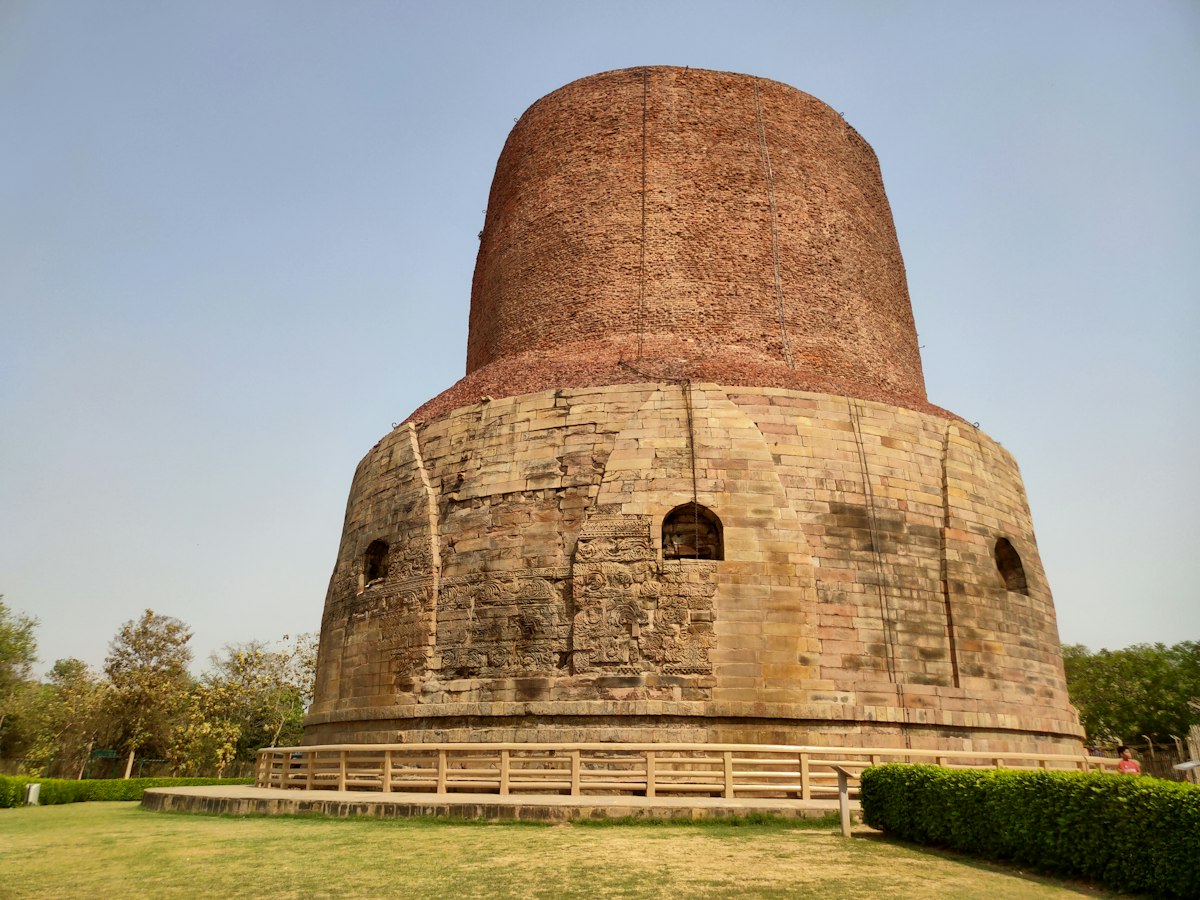
Dhamek Stupa at Sarnath near Varanasi, a quiet Buddhist pilgrimage site

Ask most people what to do in Varanasi and you'll hear the same three answers: watch the Ganga Aarti, take a sunrise boat ride, visit Kashi Vishwanath. All three are worth doing, but they're also where every tourist ends up at the same time. Once you've ticked off the best ghats to visit in Varanasi, there's a quieter side of the city that most itineraries skip entirely — and it's often where Varanasi feels most like itself.

Here's where to go once you want a break from the crowds, without leaving the city's spiritual core behind.

Why Bother Going Off the Main Route?

Varanasi's headline sights are popular for good reason, but that popularity has a cost: peak-hour queues at Kashi Vishwanath, elbow-to-elbow viewing at the evening aarti, and boats jostling for space along the busiest stretch of the river. None of that is a problem on your first day, when you want the classic experience. By day two or three, though, most travellers start looking for somewhere they can actually hear themselves think.

The places below aren't secret exactly — locals know all of them well — they're just consistently left off the standard tourist route, which is precisely what makes them worth the detour.

1. The Monasteries of Sarnath, Beyond the Main Stupa

Most visitors to Sarnath stop at the Dhamek Stupa, take a photo, and leave. That's a shame, because the area around it is dotted with monasteries built by different countries, each with its own architectural personality, and almost none of the crowd that gathers at the stupa.

Thai, Tibetan, and Chinese temples

Within walking distance of the main site, you'll find a Thai monastery with sweeping golden roofs, a Tibetan temple with prayer wheels and vivid murals, and a Chinese temple built in 1939 with a distinctly different aesthetic from anything else in the area. Each one is quiet, free to enter, and rarely has more than a handful of visitors at a time.

Practical details

Sarnath sits roughly 10 km from central Varanasi, about a 30–45 minute drive depending on traffic. The Archaeological Museum nearby, home to the original Lion Capital of Ashoka, is generally open 10 AM to 5 PM and closed on Fridays, though it's worth confirming current hours and ticket rates locally since these change from time to time. For a fuller breakdown of what to see and when, a dedicated guide to Sarnath temple timings is worth reading before you go.

2. Kaal Bhairav Temple, the City's Other Guardian

While Kashi Vishwanath draws the long queues, Kaal Bhairav — dedicated to the fierce guardian deity said to protect the city — sees a fraction of the footfall despite being just as significant in local tradition. Many Varanasi residents visit Kaal Bhairav before Kashi Vishwanath, believing you need the guardian's permission before approaching the main deity.

The temple is compact, the atmosphere is intense rather than touristy, and you can usually get in and out within 20 minutes, even during a reasonably busy time of day. If you're building a route around the old city's smaller temples, it helps to check current Kaal Bhairav Mandir timings in advance, since darshan hours here differ from the main temple.

3. Nandeshwar Ghat, a Ghat Without the Crowd

Not every ghat in Varanasi is packed. Nandeshwar Ghat, a little away from the main tourist cluster, is clean, uncrowded, and has quietly become a favourite filming location for Hindi cinema over the years, with more than fifty productions shot along its steps. It's a good spot for an early morning walk if you want the riverfront atmosphere without jostling for space, and a genuinely peaceful place to sit with a cup of tea and just watch the river for a while, something that's difficult to do at the busier ghats further along.

4. Tulsi Manas Mandir

Built from white marble, Tulsi Manas Mandir is dedicated to the site where the saint-poet Tulsidas is believed to have written the Ramcharitmanas. What makes it different from other temples in the city is the walls themselves — carved and painted with scenes from the Ramayana, almost like a stone comic strip running around the building. It's a slower, more contemplative stop than the main ghats, and it rarely feels crowded even on weekends.

5. Ramnagar Fort, Across the River

Most visitors never cross the Ganga at all, which means Ramnagar Fort stays relatively untouched by the usual tourist rush. The 17th-century fort, still connected to Varanasi's former royal family, houses a museum with vintage cars, ivory work, old weapons, and an unusual astronomical clock inside its former Durbar Hall.

It sits about 14 km from the main railway station, reachable by road or, when river levels allow, by boat directly across from the ghats. It's typically open 10 AM to 5 PM, with separate entry fees for Indian and foreign visitors. Budget about two hours including travel, and go on a weekday if you want the museum largely to yourself.

6. Lolark Kund, an Ancient Stepped Well

Tucked near Tulsi Ghat, Lolark Kund is a deep, rectangular stepped well dedicated to the sun god, said to date back centuries. It's easy to miss if you're not looking for it, since it sits below street level and doesn't announce itself the way the temples do. On ordinary days, it's calm and largely empty; it's only during specific festival dates, particularly around late July and August, that it draws real crowds, so a visit outside that window gets you the site almost entirely to yourself. The stepped architecture alone is worth a few minutes, even if you're not there for a ritual dip.

7. The Back Lanes Between the Ghats

Some of the best parts of Varanasi aren't a single destination at all. The narrow lanes connecting the ghats to the main city — barely wide enough for two people to pass — are lined with small shrines, old havelis, silk weaving workshops, and tea stalls that have been run by the same families for generations.

Set aside an hour with no fixed plan and just walk. You'll pass more small, unnamed shrines and quiet courtyards than any list could capture, and that unscripted wandering is often what people remember most from Varanasi. Go in the late morning, once the sunrise crowd has thinned out but before the evening rush builds again, and you'll likely have entire stretches of lane to yourself.

How to Fit These Into Your Trip

You don't need to choose between the famous sights and these quieter ones. A practical way to split a three or four day trip:

  • Day 1: Main ghats, evening Ganga Aarti, sunrise boat ride
  • Day 2: Kashi Vishwanath and the old city lanes, Kaal Bhairav Temple
  • Day 3: Sarnath's monasteries and museum, Tulsi Manas Mandir
  • Day 4 (optional): Ramnagar Fort and Nandeshwar Ghat, at a slower pace

If you're short on time, even swapping one crowded afternoon for a visit to Sarnath's quieter monasteries or a walk through the back lanes will change how the trip feels.

Final Thoughts

Varanasi's famous sights earn their reputation, but they're only part of the picture. The ghats away from the crowds, the monasteries beyond the main stupa, and the lanes with no name are where the city slows down enough for you to actually notice it. Build in time for at least one or two of these, and your trip will feel less like a checklist and more like the place people keep coming back to.

Image credit: Dhamek Stupa, Sarnath. Photo by Braj Kishor on Unsplash.

8 Common Mistakes First-Time Travellers Make in Varanasi (And How to Avoid Them)

Boats on the Ganga at the Varanasi ghats during golden hour

You land in Varanasi expecting quiet ghats and golden sunrises, and for the first hour, the city delivers exactly that. Then a boatman quotes four times the fair rate, a stranger insists on "guiding" you toward Kashi Vishwanath, and you realise nobody warned you about any of this. Varanasi rewards travellers who show up a little prepared, and most of the problems people run into aren't about the city being difficult — they're about a handful of avoidable mistakes.

If you're planning your first trip to Varanasi, here are the slip-ups that trip up most newcomers, and simple ways to steer around each one.

1. Booking a Hotel Far From the Ghats

Varanasi's old city is built for walking, not driving. Cars can't reach most of the riverside lanes, so if your hotel sits far from the ghats, every sunrise visit turns into a rickshaw ride through narrow, crowded streets. You lose time, and you lose the ability to wander back for a quiet evening walk on a whim.

Book a guesthouse within walking distance of Assi Ghat or Dashashwamedh Ghat instead. You'll pay a little more for the location, but you gain the one thing that makes a Varanasi trip work: the ability to step outside whenever the light looks right.

2. Skipping the Sunrise Boat Ride

Varanasi's ghats look completely different depending on the hour. Sunrise is when priests perform their morning rituals, pilgrims bathe, and the light turns the sandstone steps a soft gold. Sleep through it and you'll only ever see the daytime version of the city — busier, hotter, and far less atmospheric.

Set an alarm for around 5:30 AM and get on the water by sunrise. Even a 45-minute rowboat ride from Assi Ghat to Manikarnika and back is enough to understand why people say Varanasi has to be seen from the river.

3. Falling for Boat and Guide Overcharging

This is the single most common complaint from first-time visitors, and it's almost entirely preventable.

Boat rides

Shared rowboats typically cost somewhere in the range of ₹80–150 per person for a short sunrise ride, while a private rowboat for a small group runs higher. Rates shift with season and demand, so treat any number you read online as a rough guide rather than a fixed price. The safest approach is to ask your guesthouse for the going rate before you head to the ghat, confirm the price and duration with the boatman before boarding, and keep small notes handy since change is often scarce early in the morning.

Unsolicited guides

Friendly strangers who offer a "free" walking tour near the ghats are rarely free. They often lead you through shops that pay them a commission, then expect a tip at the end that's far higher than any local guide would charge. Politely decline offers you didn't ask for, and if you want a guide, arrange one through your hotel or a known local operator instead.

4. Getting the Temple Dress Code Wrong

Kashi Vishwanath and most other active temples in Varanasi expect modest clothing — shoulders and knees covered, nothing sheer or sleeveless. Shorts and vests will usually get you turned away at the gate, which is a frustrating way to end a queue you may have waited in for a while.

Phones, cameras, bags, and leather items are also commonly restricted inside the main sanctum, so most visitors deposit these at a cloakroom before entering. Carry as little as possible, dress modestly by default, and double-check current rules on the temple's official channels before you go, since these do change from time to time.

5. Visiting Only One Ghat

Most first-timers see Dashashwamedh Ghat, watch the evening aarti, and assume they've experienced "the ghats." Varanasi actually has more than eighty of them, stretched along several kilometres of riverfront, and each has its own character. Manikarnika is the cremation ghat, raw and unfiltered. Assi Ghat is calmer and popular with early risers and yoga groups. Quieter stretches further along the river are where you'll actually get a moment to sit and take it all in.

Give yourself at least one long morning or evening to walk the riverfront rather than treating a single ghat as the whole experience.

6. Turning Up to Ganga Aarti Without a Plan

The evening Ganga Aarti at Dashashwamedh Ghat is one of Varanasi's biggest draws, which also means it gets seriously crowded. Arrive at the scheduled start time and you'll likely be watching from far back, over a sea of phones held in the air.

Get there at least 45 minutes early to claim a spot on the steps, or watch from a boat anchored on the river for a completely different view of the ceremony. For exact timings and the best vantage points, it's worth checking a dedicated Ganga Aarti timings and best viewing spots guide before you head out.

7. Underestimating Local Transport

Ride-hailing apps work in the newer parts of Varanasi but often can't enter the narrow lanes of the old city near the ghats, which catches a lot of visitors off guard. Auto-rickshaws fill the gap, but drivers routinely quote tourists two or three times the local rate.

Agree on a fare before you get in, keep an eye on approximate distances so a quote feels reasonable, and don't be afraid to walk away and try another rickshaw if the price feels off. A quick read of a proper getting around Varanasi transport guide before your trip will save you a fair amount of haggling on the ground.

8. Avoiding Street Food Out of Caution

Street food is a genuine part of what makes Varanasi memorable — kachori-sabzi for breakfast, hot jalebis, and the city's famous lassi and thandai. Being overly cautious means missing dishes you can't easily get anywhere else.

The smarter approach isn't avoidance, it's selection: eat at stalls with a visible queue of locals, choose food that's cooked fresh in front of you, and stick to bottled or filtered water. That's usually enough to enjoy the food scene without spending a day of your trip unwell.

Quick Reference: Mistakes vs. Fixes

  • Common mistake
  • Simple fix
  • Hotel far from the ghats
  • Stay walkable to Assi or Dashashwamedh Ghat
  • Skipping sunrise
  • Book a boat ride by 5:30 AM
  • Overpaying for boats/guides
  • Confirm price and duration before boarding
  • Wrong temple dress
  • Cover shoulders and knees, carry minimal items
  • Seeing only one ghat
  • Walk the riverfront for at least one full session
  • Late arrival at Aarti
  • Reach 45 minutes early or watch from a boat
  • Overpaying for autos
  • Fix the fare before you get in
  • Skipping street food
  • Choose busy, freshly-cooked stalls

Final Thoughts

None of these mistakes are dealbreakers — they're the small, predictable snags that catch almost every first-time visitor to Varanasi. Knowing about them in advance is usually all it takes to avoid them. Many travellers also find it easier to sort out pickups, boat timings, and a rough day-by-day plan through a properly arranged Varanasi Package, so they can spend less time negotiating and more time actually experiencing the ghats. Either way, go in with a little preparation, stay curious rather than cautious, and the city will do the rest.

Image credit: Photo by Martijn Vonk on Unsplash.

Tuesday, August 18, 2026

Best Ghats to Visit in Varanasi: A Simple Guide for First-Time Visitors


Varanasi is a city built around its river. Nearly a hundred stone steps, known as ghats, run along the Ganga, and almost everything travelers come here for happens somewhere on that riverfront. If you already know how to plan your first trip to Varanasi, the next thing worth figuring out is which ghats actually deserve your time, since there are far too many to see in one visit.

Here is a simple, no-fuss guide to the ones that matter most.

Assi Ghat: The Best Place to Start Your Morning

Assi Ghat sits at the southern end of the main stretch and has a calmer, more relaxed feel than the busier ghats further north. Every morning, a program called Subah-e-Banaras fills the steps with music, chanting, and a group yoga session as the sun comes up. It is also the starting point for most sunrise boat rides, so it is a natural first stop for early risers.

Dashashwamedh Ghat: For the Evening Aarti

This is the ghat most people picture when they think of Varanasi. Every evening, priests perform the Ganga Aarti here, a fire ceremony with brass lamps, chanting, and conch shells, in front of a large crowd on the steps and in boats on the river. It is busy and loud, but it is one of those experiences that is genuinely worth the crowd. Arrive early if you want a good spot on land.

Manikarnika Ghat: The City's Most Sacred Ground

Manikarnika is one of two cremation ghats in Varanasi. Hindu belief holds that dying and being cremated here grants moksha, freedom from the cycle of rebirth, and the fires here are said to have burned for generations without stopping. This is a working cremation site, not a tourist attraction, so photography is not allowed and it is best to observe quietly from a respectful distance.

Scindia Ghat: The Sinking Temple

Scindia Ghat is easy to recognize because of a Shiva temple that has slowly sunk into the river under its own weight and now leans at an angle. It sits between Manikarnika and the quieter ghats to the north, making it a good stop on a longer riverside walk.

Panchganga Ghat: For a Quieter Experience

Panchganga Ghat is believed to mark the meeting point of five rivers and draws large crowds during festivals like Kartik Poornima. Outside of festival season, it is far less crowded than the main ghats and gives you a slower, more peaceful look at the riverfront.

A Few Simple Tips

  • Visit early in the morning for boat rides and a quieter walk along the steps.
  • Go in the evening if you want to catch the Ganga Aarti at Dashashwamedh Ghat.
  • Wear comfortable shoes. The steps are old, uneven, and can be slippery near the water.
  • Dress modestly, especially near cremation ghats and temples.
  • Keep some cash on hand, since not every boatman or vendor accepts digital payments.

Planning It All Together

Walking the ghats on your own is doable, but timing matters here more than in most cities. Boat rides, the aarti, and the quieter morning hours all work on their own schedule, and it helps to have that mapped out before you arrive. If you would rather not figure it out on the fly, it is worth looking at organized Varanasi tour packages that build the day around sunrise and sunset timings, so you are at the right ghat at the right time instead of rushing between them.

Once you have seen the ghats, the rest of Varanasi tends to fall into place. It is a city that rewards a little planning and a lot of patience.

Where to Stay in Varanasi: A Neighborhood Guide for First-Time Visitors

Where you sleep in Varanasi shapes the trip more than almost any other decision you'll make before you land. This is a city where a fi...