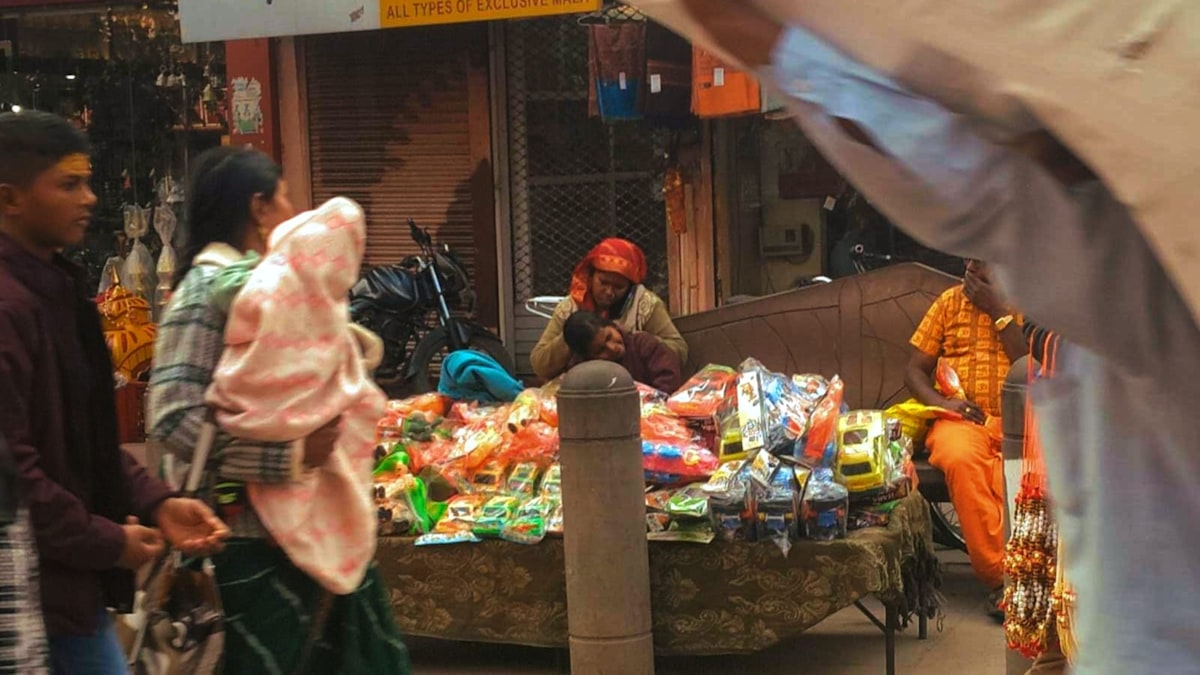
Varanasi's temples and ghats get all the attention, but ask anyone who has actually spent a few days in the city and they'll tell you the food is just as memorable. This is a city that eats on the street, standing at a counter or perched on a wooden bench, and most of its best dishes never make it onto a restaurant menu at all.
Here's what to look for, where locals actually go, and a few things worth knowing before you start eating your way through the old city.
Why Varanasi's Food Scene Feels Different
A lot of Varanasi's street food has stayed the same for generations, made by the same families at the same corners, often with a queue of regulars rather than tourists. Prices are low, portions are generous, and the best stalls are usually the ones with no signboard at all — just a name people already know.
None of it requires a reservation or a plan. You mostly just need to know what to order and roughly where to stand. Most stalls specialise in one or two dishes rather than a whole menu, which is part of why the food tastes as good as it does — the person frying your kachori has likely been doing exactly that, and nothing else, for years.
Kachori Sabzi, the Breakfast Varanasi Runs On
Kachori sabzi is the closest thing Varanasi has to a signature breakfast: crisp, deep-fried pastries stuffed with spiced lentils, served with a potato curry on the side. It's heavy, satisfying, and usually gone by mid-morning once the day's batch runs out.
Thatheri Bazaar and the lanes around Vishwanath Gali are reliable spots to find it fresh, typically for somewhere around ₹20–40 a plate. Go early. The best stalls sell out fast, and what's left by noon is rarely as good as the first batch of the morning.
Banarasi Lassi, Thick Enough to Eat With a Spoon
Skip anything you'd recognise as a normal lassi. The Banarasi version is dense, yogurt-based, and usually topped with a thick layer of malai (clotted cream), served in a clay cup called a kulhad that adds its own faint earthy flavour.
The Godaulia area has several well-known counters, and one shop near Vishwanath Gali has reportedly been serving it since 1925. Expect to pay around ₹30–60 depending on the toppings, and expect to need a spoon rather than a straw.
Tamatar Chaat, the Tangy Snack Locals Love
Tamatar chaat is a Varanasi specialty that rarely shows up outside the city: a spicy-sweet mash of stewed tomatoes, boiled potatoes, and spices, finished with a drizzle of ghee and crunchy sev on top. It's sold from small carts and eaten standing up, usually in a few minutes flat.
Deena Chaat Bhandar on Dashashwamedh Road is one of the better-known names for it, priced around ₹30–50 a plate. If you only try one unfamiliar dish on this list, this is a reasonable one to pick.
Seasonal Specials: Malaiyo and Choora Matar
Two dishes only show up in the cooler months, and it's worth timing a visit around them if you can. Malaiyo is a frothy, saffron-scented milk foam, whipped outdoors before dawn using the morning dew, and it's typically available from October through February. Choora matar — flattened rice cooked with green peas, spices, and ghee — runs a little longer, from around October to March.
Both are sold by general street vendors rather than fixed shops, so you'll mostly spot them by the small crowds gathered around a cart in the evening. If your dates line up, checking a best time to visit Varanasi guide before you book can help you catch both dishes in season rather than missing them by a few weeks.
Baati Chokha, a Heartier Plate
For something more like a full meal than a snack, baati chokha is worth seeking out: firm wheat dough balls, traditionally roasted over coals, served with a smoky mash of spiced vegetables and a generous spoon of ghee. It's rustic, filling, and a good option if you want a sit-down plate rather than another round of street snacks. Expect to pay somewhere between ₹60 and ₹120 depending on where you order it.
It's originally a Bihari dish rather than a strictly Banarasi one, but it has been adopted into Varanasi's food scene so thoroughly that most small eateries near the old city serve their own version, usually at lunchtime rather than as a snack.
Paan, the Proper Way to End a Varanasi Meal
Varanasi takes paan seriously enough that "Banarasi paan" is its own recognised style: a betel leaf folded around areca nut, lime paste, and often a sweet filling like gulkand or grated coconut, sometimes finished with a touch of edible silver. It's cheap, usually ₹10–30, and functions as the city's answer to an after-dinner mint, just with a lot more character.
Jalebi and Rabri, the City's Favourite Sweets
No food walk through Varanasi is complete without stopping for something sweet, and jalebi is the obvious place to start: coils of fermented batter, deep-fried until crisp, then soaked in sugar syrup while still hot. The best versions are made fresh in wide, shallow pans right at the shop front, so you can watch each batch go from batter to plate in a few minutes.
Pair it with rabri, a thick, slow-reduced sweetened milk, and you have one of the more indulgent combinations the city has to offer. Both are widely available across the old city's sweet shops, typically for ₹20–40 for a modest portion, and neither needs advance planning — just a sweet tooth and a working stomach after a morning of savoury snacks.
A Few Rules for Eating Safely on the Street
Street food in Varanasi is generally safe if you're a little selective about where you eat, and the same habits that keep you well elsewhere apply here too. Look for stalls with a steady queue of locals rather than empty ones, choose food that's cooked fresh in front of you instead of sitting out, and stick to bottled or properly filtered water, including for anything blended like a lassi.
These are the same kinds of small, avoidable slip-ups covered in our guide to common travel mistakes to avoid in Varanasi, and the food section there is worth a quick read before your trip if you tend to be cautious about eating on the street.
It also helps to pace yourself on your first day. Trying five different dishes within a couple of hours is a common way to end up too full to enjoy any of them, and it makes it harder to tell which specific stall, if any, didn't agree with you.
A Simple Food Walk Route
If you'd rather explore with some structure than wander at random, a rough route works well on foot, starting late morning once the breakfast rush has settled:
- Start at Thatheri Bazaar for kachori sabzi
- Walk toward Vishwanath Gali for lassi and a look at the lane's sweet shops
- Continue to Dashashwamedh Road for tamatar chaat at Deena Chaat Bhandar
- Finish near Godaulia with paan from a well-known stall to close out the walk
The whole loop takes roughly two to three hours at an unhurried pace, with plenty of stops to watch the lanes rather than just eat your way through them. Most of this route is walkable, but if you're combining it with stops further out, a quick look at a guide to getting around Varanasi will save you some back-and-forth with auto drivers.
Final Thoughts
Varanasi's food doesn't need a special trip or a booked table, just a bit of curiosity and a willingness to eat standing up. Follow the queues, ask what's fresh, and you'll end up with a far better sense of the city than any single monument could give you.
Image credit: Photo by devakanyya on Unsplash.



No comments:
Post a Comment