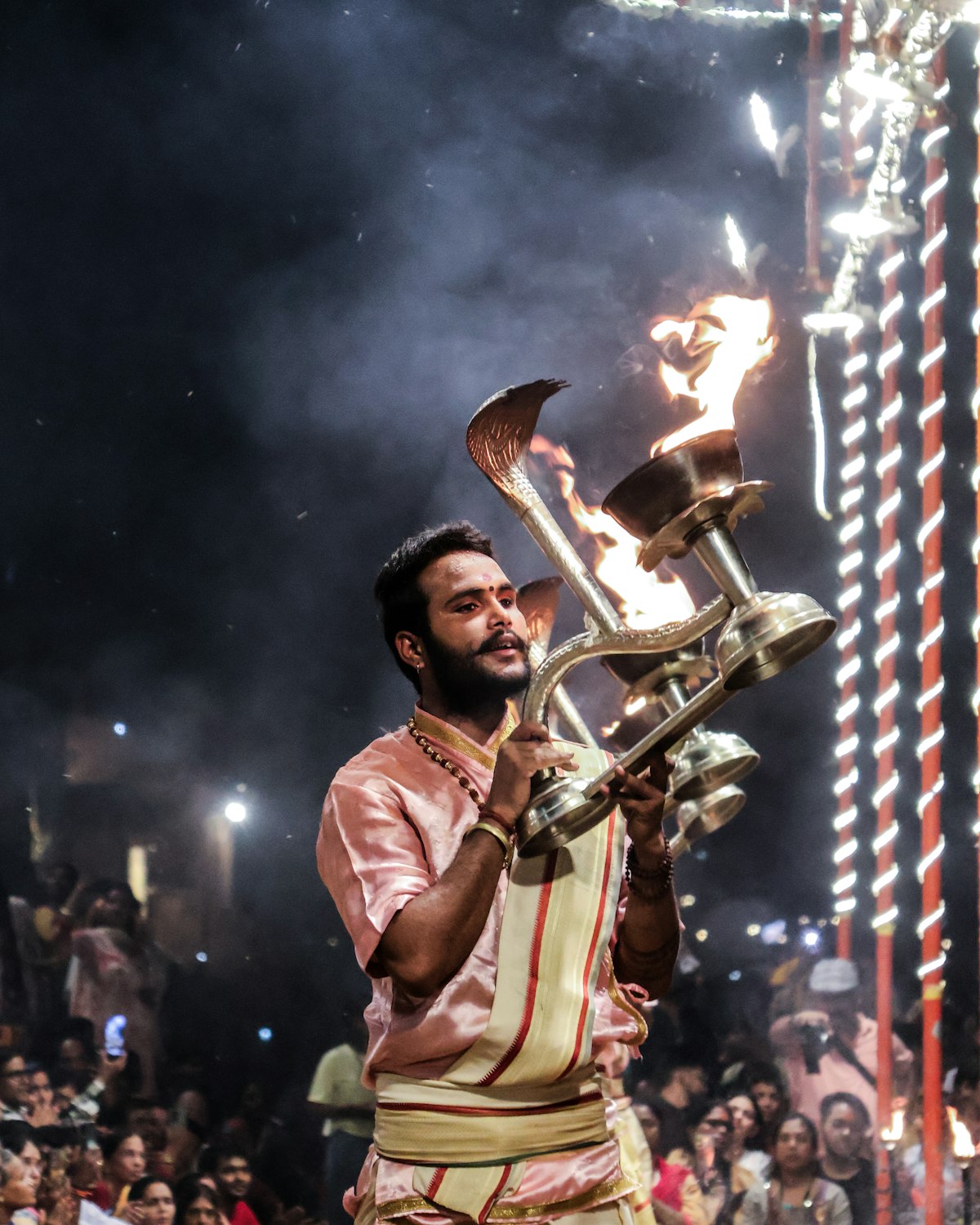
Varanasi rewards time more than almost any other Indian city, but most first-time visitors only have a few days to give it. The good news is that three days is genuinely enough to see the essentials without rushing, as long as you have a rough plan going in rather than figuring it out ghat by ghat.
Here's a simple, realistic way to structure three days in the city, with room to slow down on the last one.
How Much Time Do You Actually Need?
Two days is enough to hit the highlights — the main ghats, one aarti, one temple. Three days lets you add Sarnath, a proper walk through the old city, and a slower final morning instead of a rushed checklist. Anything beyond that starts to depend more on personal interest than necessity, unless you're planning day trips to nearby Prayagraj or Ayodhya as well.
This is also roughly the point where diminishing returns set in for most travellers. A fourth or fifth day rarely adds a new must-see site so much as a slower, more repeated version of what you've already done, which isn't a bad thing if that's what you're after, but it's worth knowing going in.
This itinerary assumes three full days, arriving the evening before day one and leaving after day three. If your dates are flexible, it's worth checking a month-by-month guide to the best time to visit Varanasi, since summers here get punishingly hot and winter mornings can be foggy enough to delay a sunrise boat ride.
Day 1: Ghats, Kashi Vishwanath, and Your First Aarti
Start early. Varanasi's ghats are at their best in the first hour after sunrise, before the heat and the crowds arrive.
- 5:30 AM — Sunrise boat ride along the ghats, roughly 60–75 minutes, ideally from Assi Ghat toward Manikarnika and back
- 7:30 AM — Breakfast, then Kashi Vishwanath Temple once the morning rush has thinned slightly
- 9:30 AM — Kaal Bhairav Temple and Annapurna Temple, both close to the main temple complex
- 11:00 AM — Rest through the hottest part of the day, or explore nearby cafes
- 5:00 PM — Arrive at Dashashwamedh Ghat at least 45 minutes before the evening Ganga Aarti to get a decent spot
For a closer look at which stretches of the riverfront are worth your time versus which ones you can walk past, our guide to the best ghats to visit in Varanasi covers each one in more depth than a single day allows.
Day 2: The Old City and Its Quieter Corners
Day two is about the lanes rather than any single monument. Varanasi's old city is a maze of narrow alleys, and getting a little lost in them is part of the experience.
- 6:00 AM — A shorter second boat ride, or a quiet walk along Assi Ghat if you'd rather stay on land
- 8:30 AM — Manikarnika Ghat, observed respectfully from a distance, followed by a walk through Vishwanath Gali
- 10:30 AM — Continue through the old city's silk weaving lanes and smaller shrines, with no fixed route
- 1:00 PM — Lunch near Godaulia
- 3:00 PM — Ramnagar Fort across the river, if you have the afternoon free and want a change of pace from temples and ghats
- 6:00 PM — A quieter evening at Assi Ghat, away from the main aarti crowd
Getting around between these stops is straightforward once you know the basics of local transport, but it helps to read a proper guide to getting around Varanasi before you land, since the old city's lanes rule out cars and most ride-hailing apps entirely.
Day 3: Sarnath and a Slower Pace
By day three, most visitors have seen the essentials and can afford to slow down. This is a good day to add Sarnath, the Buddhist pilgrimage site about 10 km outside the city, and to leave the afternoon loosely planned.
- 7:00 AM — Head to Sarnath, visiting the Dhamek Stupa, the Archaeological Museum, and the quieter international monasteries nearby
- 12:00 PM — Return to the city for lunch
- 2:00 PM — A flexible afternoon: shopping for Banarasi silk, a rooftop cafe overlooking the river, or simply resting before your onward journey
If you'd rather spend this day away from the standard sights entirely, our roundup of hidden gems in Varanasi beyond the ghats and crowds has several quieter alternatives, including some of the same Sarnath monasteries most itineraries skip in favour of just the main stupa.
Where to Stay and How to Get Around
Book a guesthouse within walking distance of Assi Ghat or Dashashwamedh Ghat if you can. Most of what matters in Varanasi is concentrated along the riverfront and the lanes just behind it, and being able to walk back for a rest or a quiet evening stroll makes a real difference over three days. Staying further out in the newer parts of the city might save a little on accommodation, but it usually costs more time than it saves, since every early sunrise plan then starts with a rickshaw ride through waking-up streets.
For getting between the old city and anywhere further out, like Sarnath or Ramnagar Fort, autos and pre-booked cabs are the practical options. Ride-hailing apps work in the newer parts of the city but often can't reach the ghats directly, so budget a short walk at either end of any ride. Agree on a fare before you get in wherever possible, since meters are rarely used for short auto rides in the old city.
What to Skip if You're Short on Time
If a delayed flight or a slow start eats into one of your mornings, a few things are safe to trim without losing much. The second boat ride on day two is the easiest to drop, since you'll have already seen the ghats from the water once. Ramnagar Fort is also skippable if you're not particularly drawn to museums, and the time is better spent lingering in the old city instead. Sarnath, on the other hand, is worth protecting, since it's the one major site that genuinely doesn't fit into days one or two.
A Realistic Packing and Timing Note
Mornings start early on this itinerary, and Varanasi's temples expect modest dress: shoulders and knees covered, with phones and bags often left at a cloakroom before entering the main sanctum. Pack light layers for the temperature swing between a cool sunrise and a warm afternoon, and comfortable shoes you don't mind getting a little dusty in the old city's lanes.
Many travellers planning a trip this tightly scheduled find it easier to lock in pickups, boat timings, and entry passes in advance through an organised Varanasi Package, rather than arranging each piece separately once they've landed. It's not essential, but it does remove a fair amount of the planning from a schedule that otherwise leaves little slack.
Final Thoughts
Three days in Varanasi is enough to see the ghats, sit through an aarti, wander the old city, and add Sarnath without feeling rushed at any point. Stick to a rough structure like this one, leave the last afternoon loosely planned, and you'll come away with more than just a list of places you photographed in a hurry.
Image credit: Photo by cameramanbhaiya on Unsplash.



No comments:
Post a Comment